
-
- 02.06.2026

Mercury Retrograde Meaning Astrology Effects Explained
Understanding Mercury Retrograde: Meaning, Astrological Effects, and Practical Insights
Mercury retrograde is one of the most talked-about astrological phenomena, often blamed for communication mishaps, technological glitches, and general chaos in daily life. But what exactly is mercury retrograde meaning astrology effects, and why does it hold such significance in astrological circles? This celestial event occurs when the planet Mercury appears to move backward in its orbit from our Earthly perspective, a phenomenon known as Mercury retrograde in astrology. While it’s a regular part of Mercury’s cycle, its effects are deeply felt in both astrological and mundane realms.

The Role of Mercury in Astrology
Mercury, named after the Roman messenger god, governs communication, intellect, travel, and technology in astrology. As the planet of the mind, Mercury influences how we think, speak, and process information. In the natal chart, Mercury’s placement can reveal an individual’s learning style, communication preferences, and even potential challenges in these areas. According to The Role of Mercury in Astrology, this swift-moving planet brings clarity and precision to our daily interactions, making its retrograde periods particularly noticeable when these qualities seem reversed or distorted.
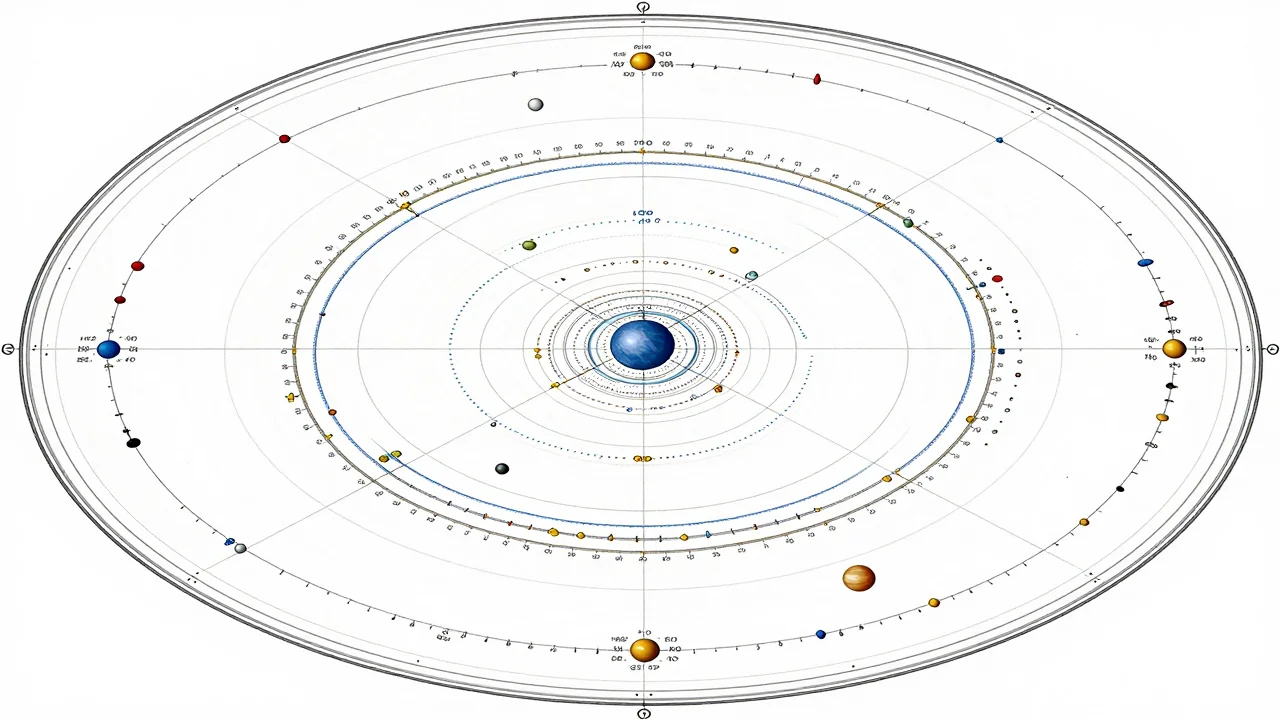
Mercury’s retrograde motion creates a cosmic illusion where the planet appears to move backward through the zodiac signs. This happens about three or four times each year, with each retrograde period lasting approximately three weeks. During these times, Mercury’s usual straightforward energy becomes introspective, leading to miscommunications, delays, and the need for reassessment in various aspects of life.

What Happens During Mercury Retrograde?
When Mercury goes retrograde, its energy shifts from outward expression to inward reflection. This can manifest in several ways: misunderstandings in conversations, technological malfunctions, travel delays, and the resurfacing of past issues. Many people report feeling more forgetful or struggling with clarity during these periods. Astrologers often advise against signing important contracts, making major decisions, or starting new projects during Mercury retrograde, as the energy is better suited for reviewing, revising, and re-evaluating existing situations.
Some of the most commonly reported effects include:
- Misplaced items and lost messages
- Technical difficulties with electronics
- Confusion in communications
- Unexpected travel delays
- Reconnecting with old friends or past situations
The intensity of these effects can vary depending on where Mercury retrograde occurs in your personal birth chart. Those with strong Mercury placements or aspects might feel the effects more acutely than others. Understanding your individual chart can help you navigate these periods with greater awareness and preparation.
Astrological Transits and Their Meanings
Mercury retrograde is one of many astrological transits that influence our daily lives. These transits describe the movement of planets through the zodiac and their interactions with our birth charts. Each planet brings its unique energy, and when they move through different signs or aspects, they create opportunities for growth, challenges, or periods of reflection. Mercury retrograde, in particular, is known for its disruptive yet ultimately clarifying effects.
The meaning of any transit depends on the planets involved, the signs they’re moving through, and how they interact with your personal chart. For example, Mercury retrograde in a fire sign like Aries might bring more impulsive miscommunications, while in an earth sign like Taurus, the effects could be more grounded but still disruptive to routine matters. Understanding these nuances can help individuals anticipate and work with the energy rather than against it.

Scientific Perspective on Retrogrades
From a scientific standpoint, retrograde motion is an optical illusion caused by the relative positions and speeds of Earth and the other planets in our solar system. As Earth orbits the Sun faster than Mercury, we occasionally pass Mercury in our orbit, making it appear as though Mercury is moving backward. This phenomenon is explained in detail in the scientific explanation of retrograde motion. While astrology interprets this as having meaningful effects on human affairs, astronomy views it purely as a visual phenomenon without inherent meaning.
Despite this scientific perspective, many people continue to experience and report noticeable changes during Mercury retrograde periods. This has led to ongoing debates between astrological and astronomical communities, with some scientists acknowledging the psychological impact of believing in these cycles, even if they don’t attribute them to celestial mechanics.
Cosmic Guidance Through Astrology
Astrology offers more than just predictions about challenging periods like Mercury retrograde; it provides a framework for cosmic guidance. By understanding these cycles, individuals can make more informed decisions, prepare for potential challenges, and align their actions with the natural rhythms of the universe. Mercury retrograde, in particular, can be seen as a cosmic nudge to slow down, reflect, and reassess our paths before moving forward with renewed clarity.
Many astrologers recommend using Mercury retrograde periods for introspective practices like journaling, reviewing past decisions, and clarifying intentions. This approach transforms what might feel like a disruptive time into an opportunity for deeper self-awareness and personal growth. By working with these cycles rather than resisting them, individuals can navigate life’s challenges with greater ease and wisdom.
Historical Significance of Mercury Retrograde
The concept of planetary retrogrades dates back to ancient astrological traditions, where astronomers and astrologers observed and recorded these apparent backward movements. Mercury, as the planet closest to the Sun, has always held particular significance due to its speed and influence on communication and intellect. Ancient civilizations often associated retrograde periods with times of uncertainty or upheaval, using these cycles to guide important decisions and rituals.
In modern times, Mercury retrograde has become a popular cultural phenomenon, with many people outside traditional astrological circles acknowledging its effects. This widespread recognition speaks to the enduring relevance of astrological principles in understanding human experiences and the natural world. Whether viewed through a spiritual, psychological, or purely observational lens, Mercury retrograde continues to captivate and challenge our perceptions of time, communication, and personal growth.
Practical Tips for Managing Mercury Retrograde
While Mercury retrograde can bring challenges, there are several practical strategies to navigate these periods more smoothly. Here are some key tips:
- Backup important data: With technology prone to glitches, make sure to back up your devices and important files.
- Double-check communications: Reread emails and messages before sending to avoid misunderstandings.
- Avoid major decisions: If possible, postpone significant choices until after the retrograde period.
- Use it for reflection: Take time to review past projects, goals, and relationships to gain new insights.
- Practice patience: Delays and mix-ups are more likely, so allow extra time for travel and other commitments.
By approaching Mercury retrograde with awareness and preparation, you can turn potential disruptions into opportunities for growth and self-improvement. Remember that these periods are temporary, and their effects can ultimately lead to greater clarity and understanding in the long run.

The next time Mercury goes retrograde, view it not as a time to fear but as a cosmic invitation to pause, reflect, and realign with your true path. With the right mindset and practical strategies, you can navigate these periods with confidence and emerge with renewed insight and purpose.


