-
- 09.05.2026

Tarot & Astrology Compatibility Guide for 2026
Tarot and Astrology Compatibility Guide: A Comprehensive 2026 Analysis
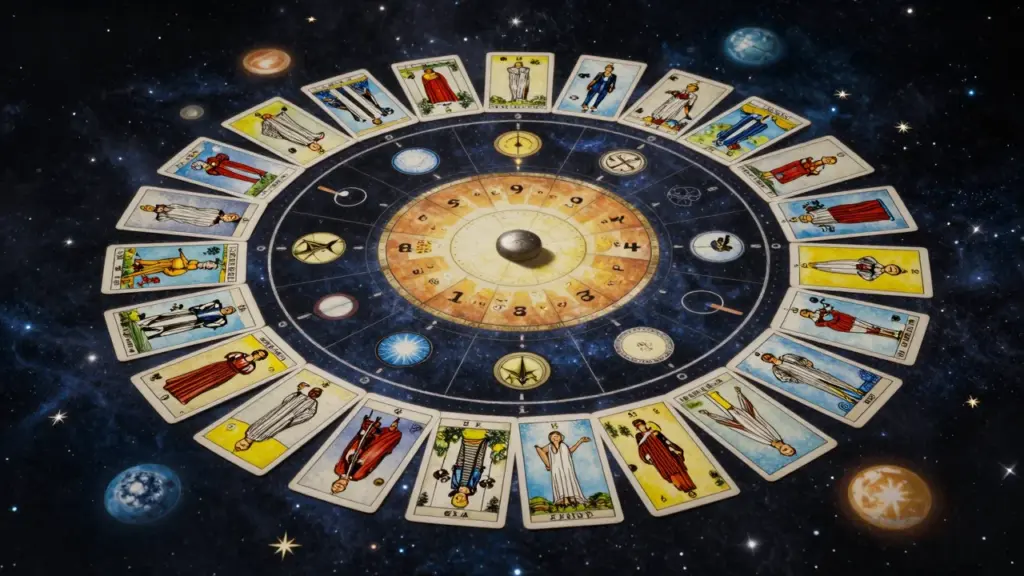
In the ever-evolving world of spiritual practices, the intersection of tarot and astrology compatibility guide has become a beacon for those seeking deeper self-understanding and relational harmony. As we navigate through 2026, these ancient systems continue to captivate millions, offering insights into personality traits, emotional needs, and cosmic connections. Whether you’re a seasoned practitioner or a curious beginner, this guide will illuminate the profound synergy between tarot cards and astrological signs, providing practical tools to enhance compatibility in all areas of life.
The Basics of Astrological Compatibility
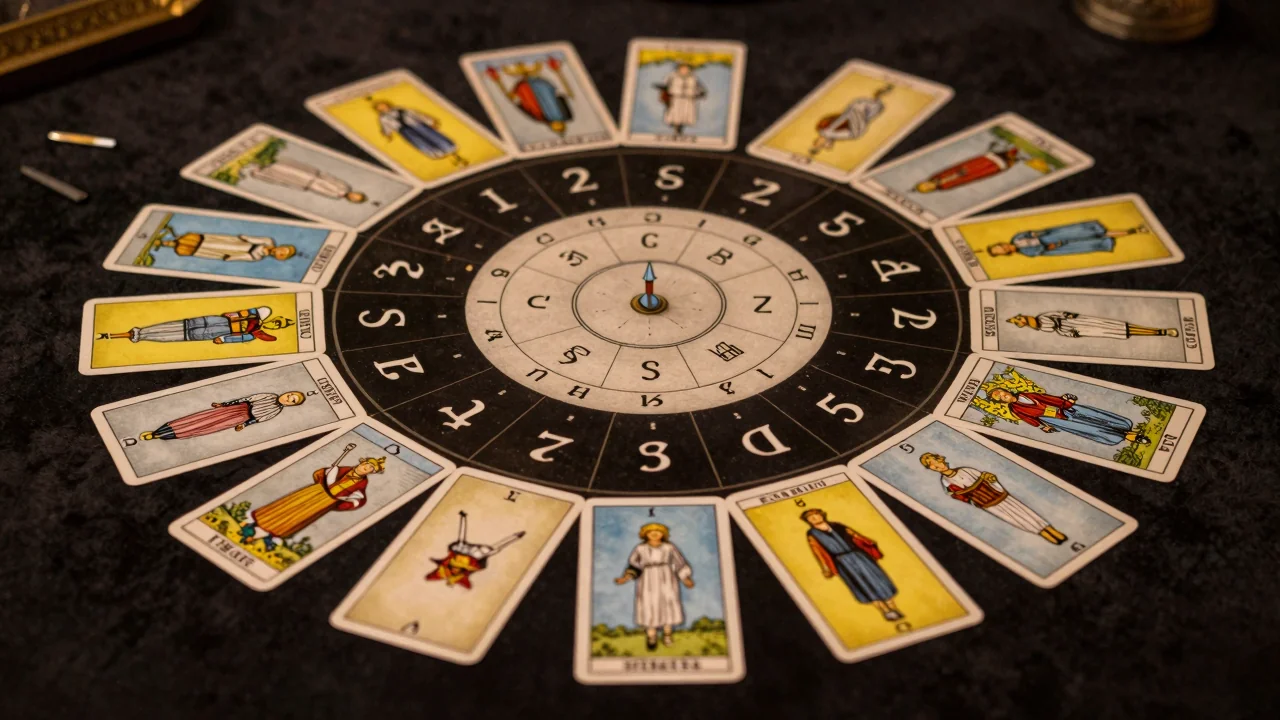
Astrological compatibility, also known as synastry, examines how two individuals’ birth charts interact. This practice dates back thousands of years, with roots in various cultures, including Babylonian, Egyptian, and Indian traditions. At its core, astrological compatibility assesses the alignment and tension between planetary positions, zodiac signs, and houses to predict relationship dynamics. For modern practitioners, understanding these fundamentals is crucial for interpreting how cosmic energies influence personal connections.
When exploring astrological compatibility, key elements include Sun signs, Moon signs, and rising signs. The Sun sign represents core identity, the Moon sign reflects emotional needs, and the rising sign (Ascendant) governs first impressions and outward behavior. A comprehensive analysis considers all three, along with planetary aspects and house placements, to paint a holistic picture of relational chemistry. For those new to these concepts, resources like the Spiritual astrology guide for beginners offer foundational knowledge to build upon.

Zodiac Sign Compatibility
Zodiac sign compatibility remains one of the most popular applications of astrology, particularly in matters of love and friendship. Each of the 12 signs possesses unique qualities that naturally align or conflict with others. For example, fire signs (Aries, Leo, Sagittarius) typically mesh well with air signs (Gemini, Libra, Aquarius) due to their shared enthusiasm and intellectual stimulation, while earth signs (Taurus, Virgo, Capricorn) find stability with water signs (Cancer, Scorpio, Pisces).
Understanding these dynamics can prevent misunderstandings and foster mutual appreciation. The Love compatibility chart explained serves as an invaluable tool for deciphering which sign pairings thrive under natural harmony and which may require extra effort to bridge differences. Remember that while Sun sign compatibility provides a starting point, a full birth chart analysis reveals deeper layers of connection.
Tarot Cards and Astrological Correspondences
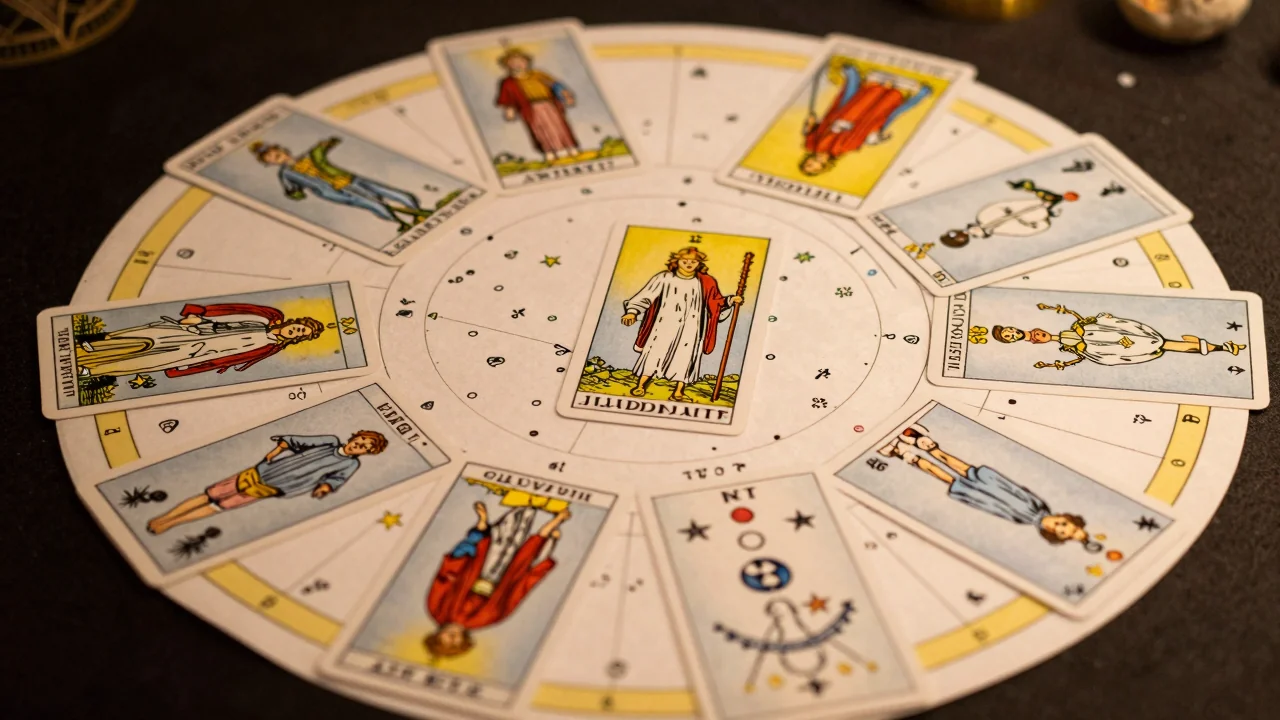
The marriage of tarot and astrology creates a powerful framework for self-discovery and relational insight. Each of the 78 tarot cards corresponds to specific astrological elements, offering nuanced interpretations when read together. Major Arcana cards align with zodiac signs and planetary influences, while Minor Arcana cards reflect daily astrological energies tied to the four elements: fire, earth, air, and water.
For instance, The Star card (XX) resonates with Aquarius energy, symbolizing hope and innovation, while The Emperor card (IV) embodies Aries’ leadership qualities. When performing readings, these correspondences add depth to interpretations. A tarot practitioner might notice recurring cards tied to particular zodiac signs in a client’s spread, revealing karmic patterns or areas needing attention. This synergy allows for a more comprehensive approach to spiritual guidance.
Scientific Perspective on Compatibility
The intersection of spirituality and science remains a topic of debate, particularly regarding systems like astrology and tarot. While skeptics argue these practices lack empirical evidence, proponents highlight their psychological and symbolic value. Research from 2026 suggests that individuals who engage with astrological compatibility often experience improved self-awareness and relational communication, regardless of its mystical foundations. This phenomenon aligns with findings discussed in The Atlantic on astrology and tarot synergy, which explores how these tools serve as frameworks for understanding human behavior.
From a scientific standpoint, compatibility assessments can be viewed through the lens of cognitive psychology. The Barnum effect, for example, explains why people find personalized horoscopes and tarot readings accurate—they contain vague statements applicable to many individuals. However, this doesn’t diminish the transformative potential of these practices when used with intention and critical thinking. The key lies in balancing spiritual exploration with rational inquiry.
Psychological Aspects of Tarot
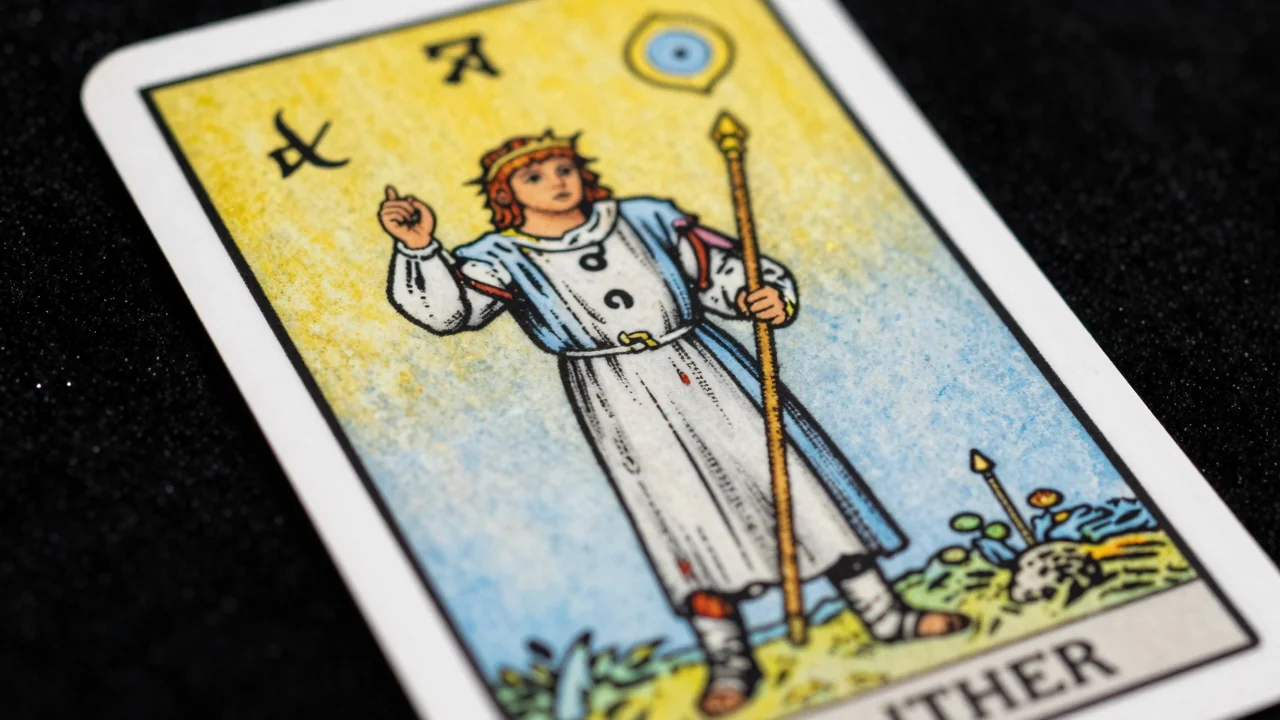
Beyond its mystical allure, tarot serves as a tool for psychological exploration. The imagery and archetypes in the cards tap into the subconscious mind, facilitating self-reflection and emotional processing. Therapists and coaches increasingly incorporate tarot into their practices to help clients navigate life transitions, relationship challenges, and personal growth. The structured yet flexible nature of tarot readings allows individuals to project their inner narratives onto the cards, revealing hidden fears, desires, and patterns.
When combined with astrological insights, tarot becomes even more potent. For example, drawing The Tower card (XVI) during a Mercury retrograde period might signify sudden revelations or upheavals in communication. This integration empowers individuals to approach life’s uncertainties with greater clarity and resilience. The psychological benefits extend to group settings, where shared tarot and astrology sessions foster community and collective healing.
Practical Tips for Enhancing Compatibility
Applying astrological and tarot wisdom to everyday life requires practical strategies. Begin by creating a compatibility chart for your closest relationships, noting shared elements and challenging aspects. Regularly consult your birth chart to understand personal strengths and growth areas. For romantic partnerships, schedule monthly tarot readings to address emerging dynamics and set intentions together.
In professional settings, use astrological transits to anticipate periods of collaboration or conflict. For instance, a Venus-Jupiter alignment may signal ideal timing for networking or creative projects. Additionally, maintain an open dialogue about spiritual practices with partners, friends, and colleagues to build mutual respect and shared language. Remember that compatibility tools are most effective when grounded in compassion and active listening.
Future Trends in Astrology and Tarot for 2026
As we progress through 2026, astrology and tarot continue to evolve with technological advancements and cultural shifts. Digital platforms now offer AI-powered compatibility analyses, blending traditional wisdom with data-driven insights. Virtual reality tarot readings and astrological meditation apps provide immersive experiences for spiritual seekers worldwide. Meanwhile, younger generations are redefining these practices, emphasizing inclusivity and decolonization of mystical traditions.
The integration of sustainability themes into astrological forecasts reflects growing societal concerns. Expect to see more content addressing how cosmic energies influence environmental activism and ethical consumerism. Additionally, the rise of “astrology for productivity” highlights practical applications in personal development and career growth. As these fields adapt, their core purpose—fostering connection and self-awareness—remains steadfast, bridging ancient wisdom with modern needs.


